

I usually start a review of a camera like this straight after brekky, while I’m fresh, with an uncluttered mind.
But sometimes it seems I would have been better off by kicking off with a cluttered mind!
So I pick up the NEX-6. Hit the power button. Look in the LCD. Looks awfully dark. What’s up? Go the finder menu and hit the factory reset button. No better. Look in the menu for the PASM options. None there!
Oh! Oh! Dumbo missed the legibly inscribed, external PASM settings on the top mode dial. Just like most other cameras, but unlike the two most recent mirrorless interchangeable lens cameras that passed through my hands, the Canon EOS-M and Sony’s NEX-5R, which tucked these vital options away in the finder menu and touch screen respectively.
With the NEX-6 many will appreciate the easy access to external exposure controls like these.


Cosmetically, the camera looks gorgeous, simply garbed in black with legibly labelled external controls. It feels good too, thanks to a prominent speed grip. With the review f3.5/16-50mm review lens attached, it is almost pocketable.
Sony NEX-6 Features
The power and Function buttons are mounted on a front sloping deck that falls naturally to an operative forefinger.


As I mentioned, the mode dial carries the PASM choices plus iAuto and Superior auto exposure options, plus scene modes (nine in all) and Sony’s excellent sweep panorama. Set lower and on the extreme right corner is the video record button: later, when out shooting, I found this location to be a damned nuisance!
At the rear there is the replay button, flash pop up, AEL (to fix the exposure); the four way control wheel carries ISO, display options, single/continuos shooting and exposure compensation. There are three more, unlabelled near-invisible buttons: two assignable ‘soft keys’ and the central control wheel.


The CMOS captured a maximum image size of 4912×3264 pixels, or 42x28cm as a print.
Movies at Full HD res of 1920×1080 pixels can be shot in either AVCHD (full res) or MPEG4 (at two lower res settings).
The camera is furnished with full Wi-Fi access. This allows relatively simple wireless stills and video transfers to smartphones or tablets running the supplied PlayMemories Mobile (Windows only) app. Images can also be transferred wirelessly to a networked computer or viewed wirelessly on any DLNA-compatible TV.
Thankfully, the NEX-6 has a vari-angle LCD screen, tiltable to 90m degrees upwards or 45 degrees down.
Sony NEX-6 ISO Tests

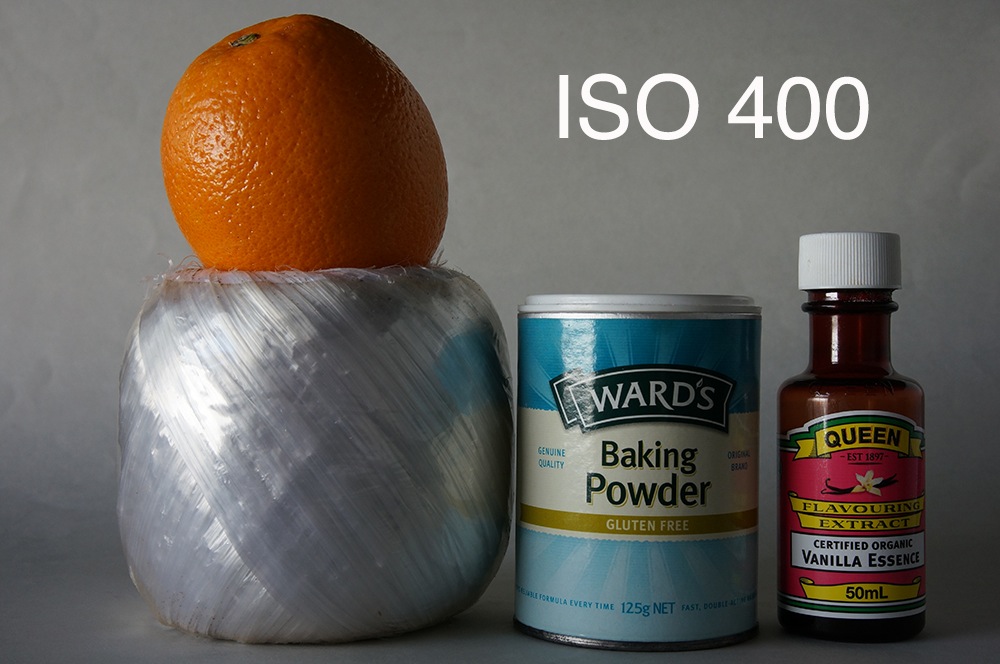

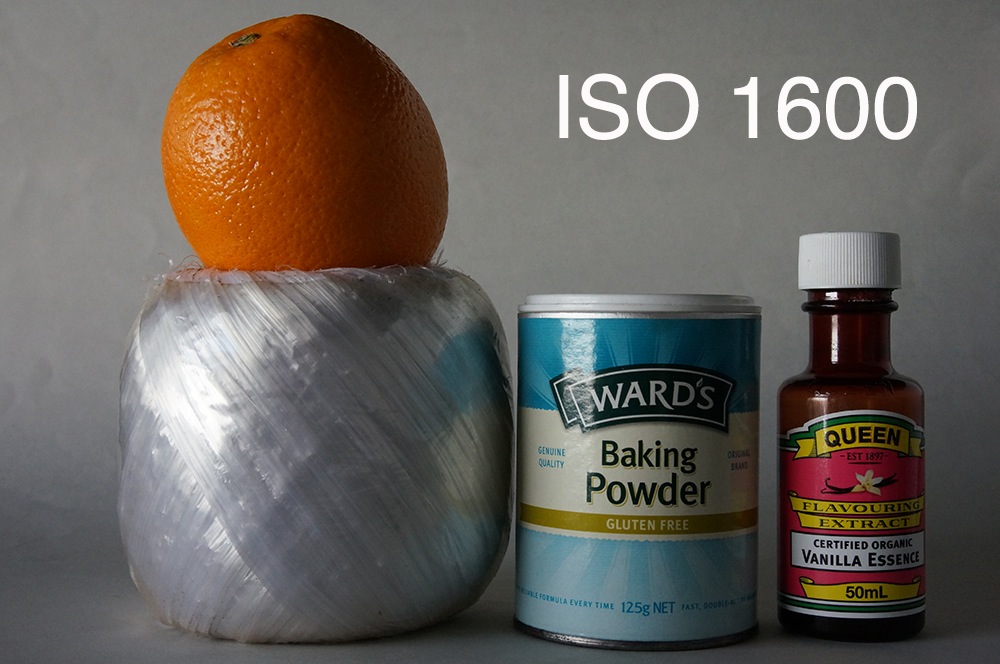
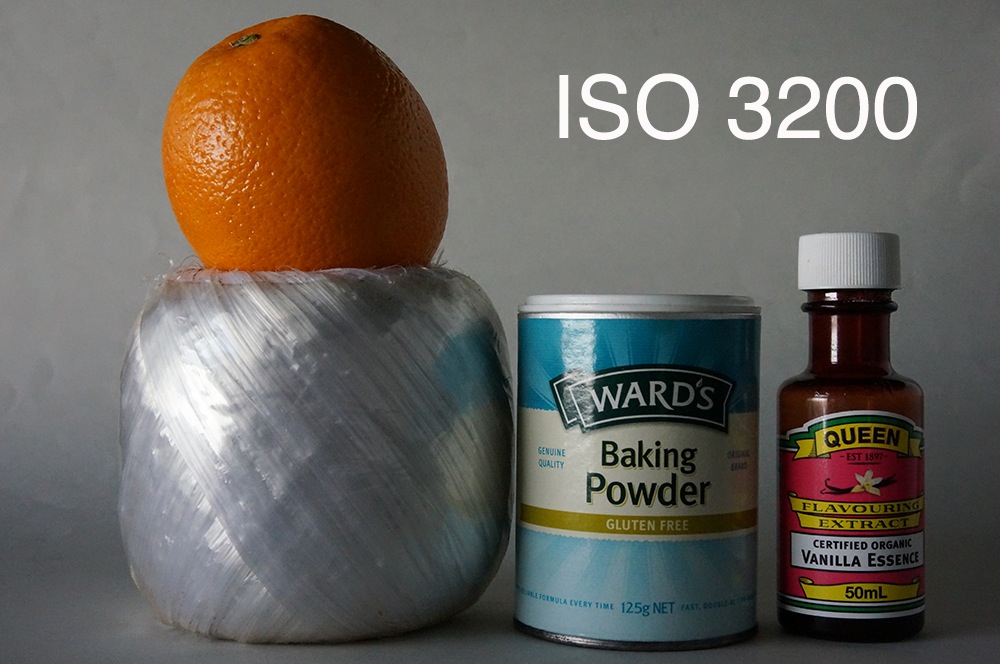
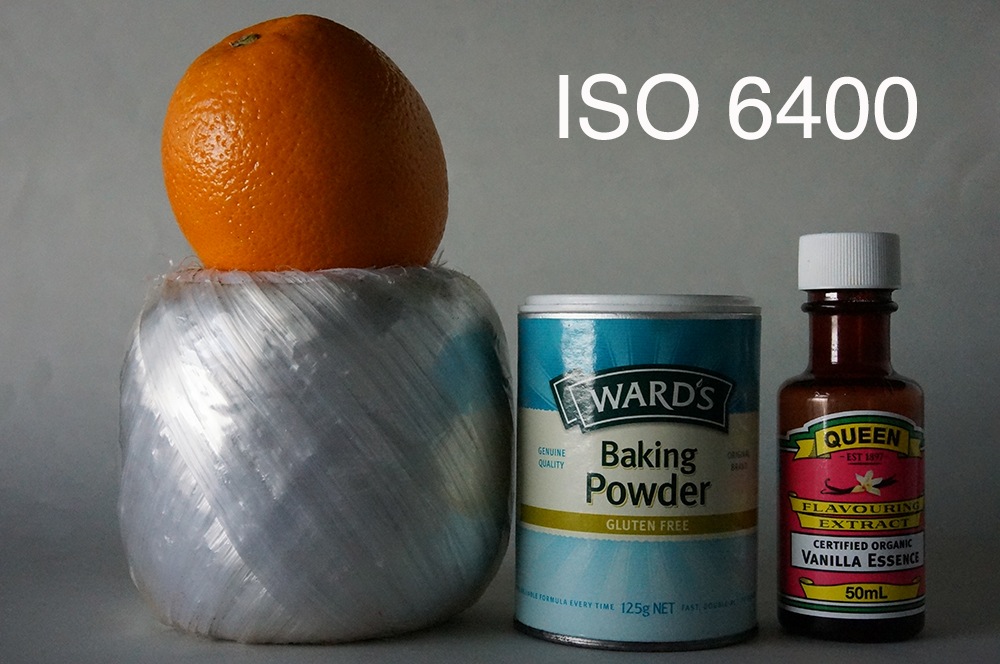
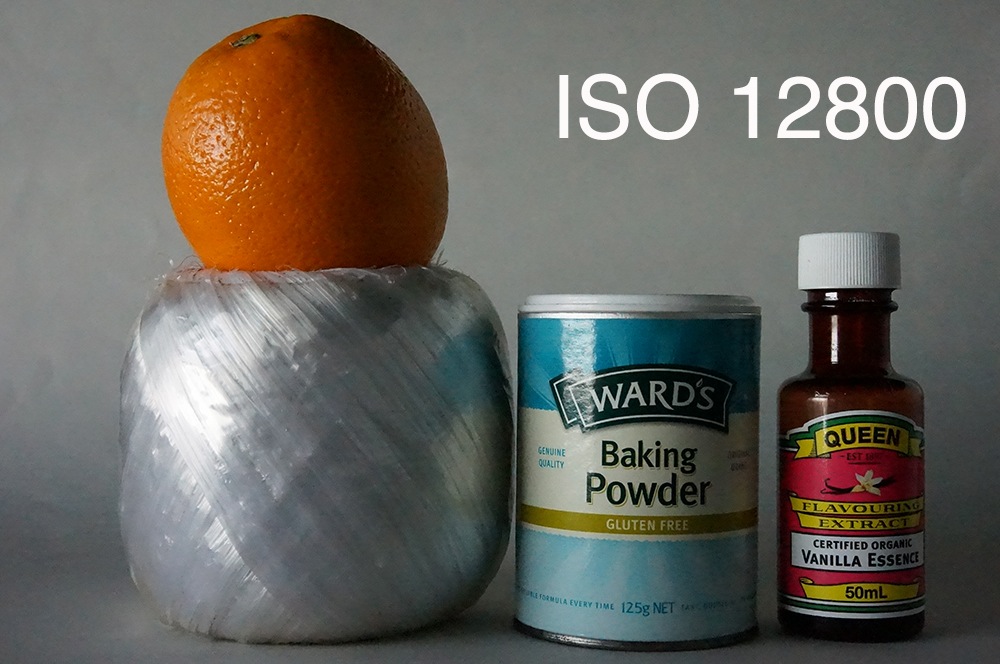

A very clean performance all the way to ISO 3200. By ISO 6400 very slight rise in noise. Still very useable at ISO 12800 in terms of quality, sharpness and lack of visible noise. Noise up at ISO 25600 but still useable with the right subjects.
Sony NEX-6 Review Verdict
Quality: slightly above average.
Why you’d buy the Sony NEX-6: easy to use; access to a reasonable range of lenses.
Why you wouldn’t: no touch screen operation; the memory catrd slot is fiddly to deal with.
If you don’t need the image size of the NEX-7, this could be an ideal choice. Good one!
Sony NEX-6 Specifications
Image Sensor: 16.1 million effective pixels.
Metering: multi zone, centre-weighted, spot.
Lens Mount: Sony E-mount.
Exposure Modes: iAuto, Program AE, shutter and aperture priority, manual.
Effective Sensor Size: 23.5×15.6mm CMOS.
35 SLR Lens Factor: 1.5x.
Shutter Speed (stills): 30 to 1/4000 second and Bulb. Flash sync: 1/160 sec.
Continuous Shooting: up to 10 fps.
Memory: SD/SDHC/SDXC, Memory Stick Pro Duo cards.
Image Sizes (pixels): Stills: 4912×3264 to 2448×1376.
Movies: 1920×1080 (AVCHD), 1440×1080 and 640×480 (MPEG4).
Viewfinder: 7.5cm LCD screen (921,600 pixels).
File Formats: JPEG, RAW (Sony ARW 2.3), JPEG+RAW, AVCHD, MPEG4.
Colour Space: sRGB, Adobe RGB.
ISO Sensitivity: Auto, 100 to 25600.
Interface: USB 2.0, HDMI mini, Wi-Fi.
Power: Rechargeable lithium ion battery, DC input.
Dimensions: 120x67x43 WHDmm.
Weight: 345 g (inc card and battery).
Price: Get a price on the Sony NEX-6 (Body Only) or the Sony NEX-6 with 16-50mm Power Zoom Lens or the Sony NEX6 with 16-50mm Power Zoom Lens and 55-210mm Lens.
Summary
Reviewer
Barrie Smith
Review Date
Reviewed Item
Sony NEX-6
Author Rating




Some Older Comments