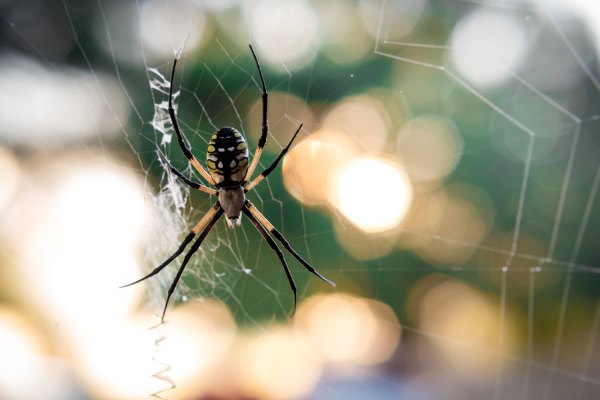
What is backlighting in photography? And how can you capture beautiful backlit photos?
That’s what this article is all about. I’m going to explain everything you need to know about backlighting, so that by the time you finish reading, you’ll understand:
- What backlighting actually is
- When you should use backlighting (and when you should avoid it)
- How to take backlit nature photos, backlit portraits, and even stunning backlit silhouettes
Sound good? Let’s dive right in!
What is backlighting in photography?
Backlighting refers to light that comes from behind the subject. In other words, backlighting hits the back of the subject and shines directly into the camera lens.

This is in contrast to frontlighting, which comes over the photographer’s shoulder and hits the subject from the front:

Because backlight comes from behind the subject, you’ll generally get photos with a bright background and a dark subject. You might even get a silhouette effect, where the subject turns a detailless black, as in the case of these windmills:

Note that backlighting can be created with artificial lighting simply by placing your light source behind the subject.
Backlighting can also be created in nature, but only when the sun is at an angle to your subject, which is why most photographers use backlight late in the day, during the golden hours. They position the subject so that the light hits it from behind, then they shoot into the sun!
Now, backlighting is a highly artistic form of lighting. It won’t always give you a silhouette, but it will create lots of subject-background contrast, so you should only use it when you’re after a dramatic look. In the next section, I explain when to use backlighting – and when to avoid it – in greater detail:
When should you use backlighting?
As I emphasized in the previous section, backlighting is dramatic. It often creates silhouettes, yellow halos around the subject, and/or a brilliantly bright background.
Therefore, backlighting is great if you want to create stunning, eye-catching effects. Here are a handful of specific images you can take with backlighting:
- Street silhouettes
- Portrait silhouettes
- Bird (and bird-in-flight silhouettes)
- Portraits with beautiful background bokeh
- Macro scenes with beautiful background bokeh
- Sunset and sunrise landscapes
- Landscape silhouettes
But while backlighting is wonderfully artistic, it’s not ideal if you want to create documentary-style shots of architecture, products, wildlife, and so on. In such situations, frontlighting or sidelighting is generally the better decision, as it’ll produce plenty of detail on the subject. Therefore, most photographers use backlighting sparingly (as a special effect).
Backlighting also comes with another problem:
It’s difficult to manage. Exposing for both the subject and the background is hard – even impossible. In order to handle backlit subjects, you need to have a strong understanding of your camera’s exposure settings; otherwise, you’ll come away frustrated.
How to create beautiful backlit images
In this section, I explain how you can create amazing backlit portraits, landscapes, and more:
Backlighting in portraits
Backlighting is a tried-and-true portrait photography technique – one that can get you some stunning photos.
How does this work?
It helps to see some actual portrait photos that illustrate the concept of backlighting versus frontlighting. This first image is a fairly standard portrait shot:

The subjects are lit from the front, and the image is evenly exposed without any harsh shadows. It’s a great photograph, and it meets all the normal criteria for a maternity shot. But let’s look at another photo of this couple, this one using backlighting:

The parents-to-be are shrouded in shadow (which I was able to boost in Lightroom, thanks to the RAW file format), and the woman’s hair is glowing with a brilliant golden halo. The man has a glowing outline around his head, and the entire scene has a slightly mystical quality to it.
Here’s a head and shoulders portrait of a young man:

The sunlight is coming from the front, his face is evenly lit, and the background is colorful and easy to see.
Now compare that image to its backlit counterpart:

His hair suddenly looks like it’s on fire, and his ears have a bit of a glow. The right side of the background is lush and green, whereas the left side, where the sun is positioned, is almost entirely blown out. Even the man’s shoulders are outlined in gold, and the photo has an energy to it that the frontlit photo just can’t match.
When you light your subjects from behind, you can get images like these, which combine glowing hair, brilliant outlines, and a beautiful background. This type of photo does take practice, but with a little trial and error, you can use backlighting to get similar results.
The key here is to shoot late in the day, when the sun is at its weakest. And specifically expose with the background in mind, even if it means the subject will be overexposed. (You can brighten the subject in post-processing.)
Backlighting isn’t just for portraits, though! It can be used in a variety of situations for creative, inspiring images, including nature photography:
Backlighting in nature photography
Backlit nature photos can look amazing:

And once you start looking for the light, you’ll notice shots like this everywhere. In fact, one of the best ways to learn backlighting is to go out in nature and simply experiment by putting your subjects between the camera and the sun.
Sunrise and sunset are great times to try out backlighting. Look for situations where your subjects are at a bit of a distance; it also helps to have a general idea of where the sun will be at dawn and dusk. Metering with backlight is tricky, so I like to use Aperture Priority to control the depth of field and then dial in exposure compensation to get my shots as light or as dark as I want.
A rule of thumb I like to use in these situations:
Expose for the highlights, then bring up the shadows in Lightroom. Basically, try not to make your photo too bright because you may end up with clipped highlights (i.e., white, informationless areas that cannot be darkened).
You can also look for more mundane subjects, like interesting leaves:

Remember:
When shooting in nature, the main source of light is the sun, but you don’t have to use direct sunlight. In the image above, the mid-afternoon sun made these leaves glow. The sun isn’t in the frame, but it still lit the leaves from the back and gave me a fun photo opportunity.

I used a similar technique for the image below. You can see how my use of backlighting made this large blade of grass appear almost translucent. The shot was not an accident, and I was only able to capture it by looking for new ways to shoot familiar subjects. In this case, I was only photographing a simple piece of grass!

Most people would pass by this scene without a second thought, but it just goes to show how backlighting can give new life to even mundane subjects.
Silhouette backlighting
One interesting way to use backlighting is to obscure your subject altogether. This technique is known as silhouette backlighting, and it can be a fun and creative way to showcase people, animals, and other objects.
Now, you create silhouette images by shooting directly into the light source – which completely darkens your subject. To get the image below, I pointed the camera at my main source of light, then waited for someone to walk by. The fountain itself doesn’t emit light, but instead reflects what comes from the sun – and it was so bright that it completely darkened my subject. The image tells a story, even without showing any subject details.

I used a similar backlighting technique to get this shot of a young woman in the early morning:

I knew where the sun was positioned, so I waited patiently until a person walked into the frame. By putting my subject directly between the camera and the main source of light, I was able to capture a silhouette. The end result is much more interesting than a normal, properly-exposed image taken in broad daylight.
Silhouettes aren’t just for people. You can use silhouette backlighting for a variety of subjects; all it takes is a little creativity and a willingness to try something different.
Here, you’ll want to use some type of Manual mode (either full Manual or Aperture Priority with exposure compensation). It’ll give you better control over the final image, and you won’t need your camera to make exposure decisions in tricky lighting conditions. Simply expose for the background and let your subject turn dark:

Pro tip: If you want especially artistic images, then try creating a sun star effect:

Start by putting a subject between your camera and the sun.
Then move around until the sun is poking out from behind the subject’s edge. Shoot with a small aperture, usually f/8 to f/11, and shift the camera position until you get the shot just right.
This technique takes practice, but you can easily get the hang of it in under 15 minutes!
Backlighting in photography: final words
If you’ve never experimented with backlighting, then I encourage you to give it a try and see what happens.
All it takes is a bit of practice, a dash of patience, and a willingness to try something different!
Backlighting is a fun, creative technique, and you might just find yourself using it far more than you expected.
Now over to you:
Have you ever tried backlighting? What did you think of it? Share your thoughts in the comments below!